VCT
OpenAI's Brian Yang: ChatGPT ads built with Codex, no human-written code
At QCon San Francisco 2026, Yang said the product reached $100 million in annualised recurring revenue within six weeks of launch.
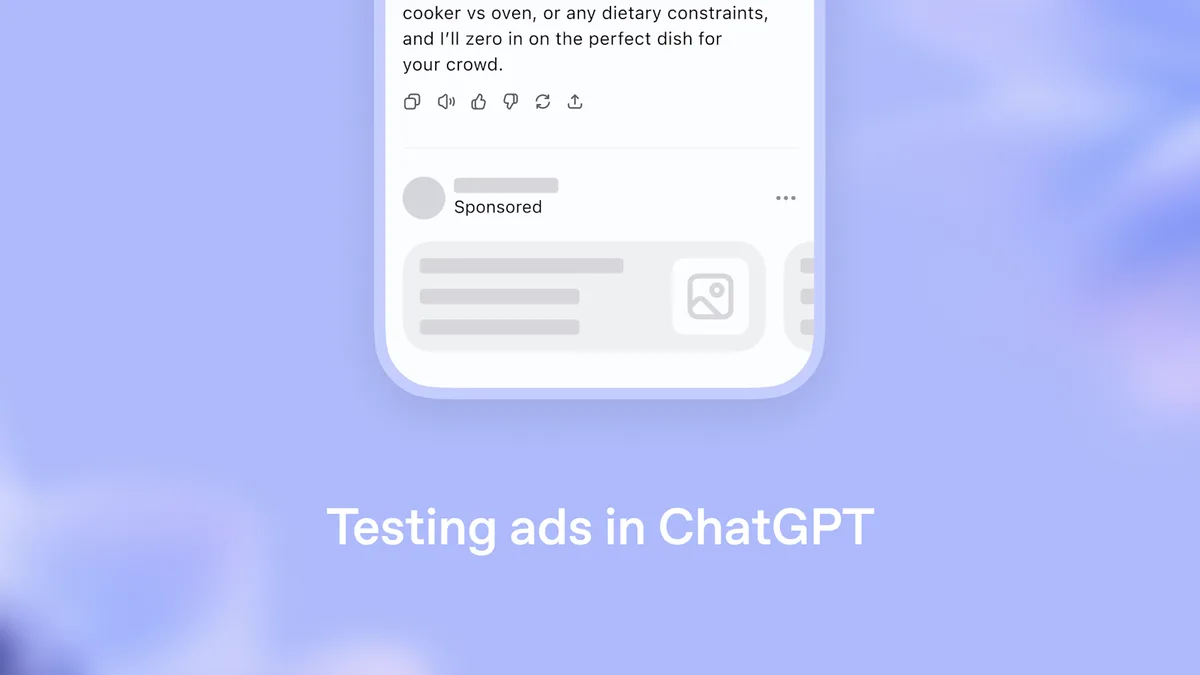
OpenAI's Brian Yang told QCon San Francisco 2026 that a small team built the ChatGPT ads product entirely with Codex, without human-written code. According to Yang, the product reached $100 million in annualised recurring revenue six weeks after launch and $1 billion in under 200 days.
Yang said the engineer's role is shifting toward managing agents. One engineer can triage an issue, open a pull request and write documentation in parallel.
How changes are checked
Every change runs local and unit tests. Complex changes also get browser-automated user journeys, and the most critical ones run in production-like sandboxes. Yang's team targets about 90% auto-approval of everyday PRs. Yang said a change that passes alone can still regress in combination.
Yang said unchecked agent output clutters a codebase, so maintenance agents work alongside feature agents. Because agents over-write tests, he reviews the 50 slowest tests weekly. He argued that teams need authorised roles for destructive actions.
Adoption advice
Yang recommends automating one PR first, then one feature, then one project. He warned that systems tend to break when teams automate a whole project first. For resistant teams, he described a rotating "AI champion" who teaches an agent the team's most tedious recurring task.
Yang closed by arguing that engineers will take on the role for agents that managers play for them today. That requires more skill in direction-setting, architecture and verification, he said.