VCT
Google DeepMind uses Gemini 4 agent teams to cut quantum circuit costs
Teams of Gemini 4 agents improved quantum algorithms for fusion and chemistry, and each result was proved in Lean.
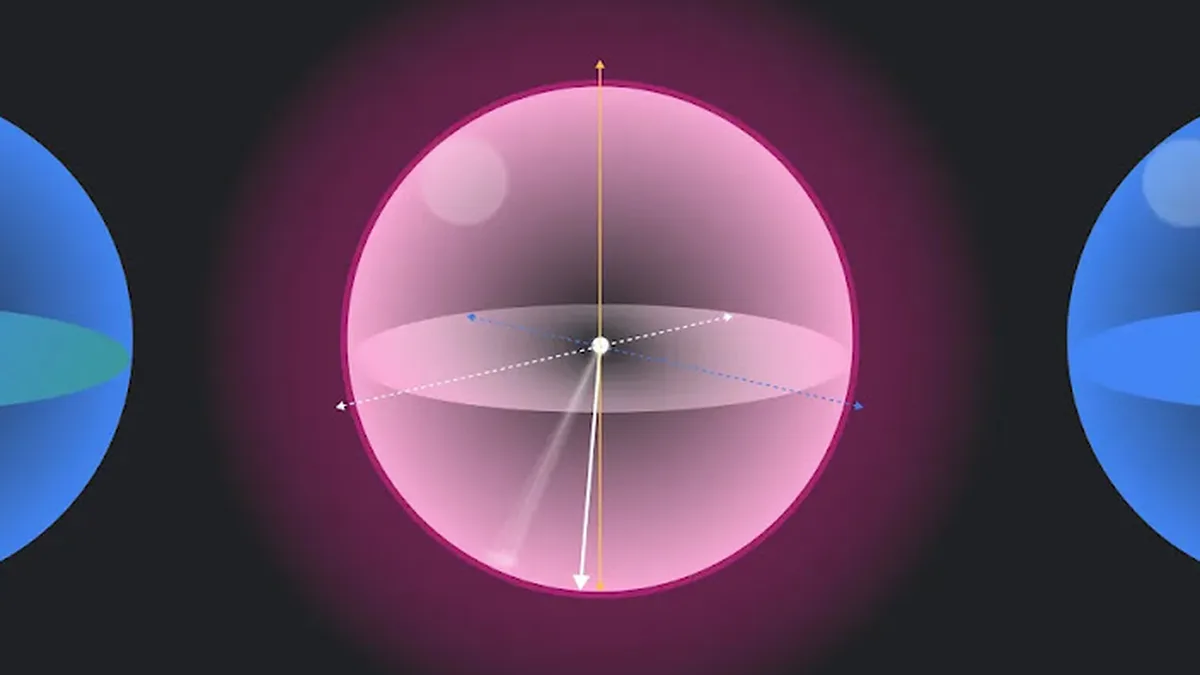
Google DeepMind says teams of Gemini 4 agents improved well-known quantum algorithms and produced more efficient quantum circuits. Lean, a formal theorem prover, proved each result.
Classical computers and today's small quantum processors cannot test circuits this large, DeepMind says, so the team proved them mathematically. For each problem, DeepMind assigned independent agent teams to look for algorithmic improvements. Lean verified each idea before it entered a shared notebook. Every four hours, members of each team gathered at a virtual conference to exchange and discuss ideas.
Results for fusion, chemistry and enzymes
One circuit helps calculate a property of inertial confinement fusion, a method that compresses hydrogen fuel with lasers until it ignites. According to DeepMind, the agent teams cut the required computing cost by 11.8×. That metric combines required qubits and operations.
For a common light-sensitive molecule, the teams made quantum simulation 8× cheaper, according to the company. Replacing bulky memory lookups lowered memory from 481 to 333 qubits.
DeepMind also reports that one specific implementation of Grover's algorithm runs 2.57x faster. The algorithm searches an unsorted list. Many quantum algorithms use arcsin to load numbers into quantum states, and DeepMind reports a 290x speedup for it. The company says early error-corrected machines will probably still lack the resources these simulations need.
The team built an open-source Lean library for quantum algorithms so collaborating agents could back their ideas with correctness guarantees. Researchers set the direction by specifying problems and supervised progress. Google DeepMind and Google Quantum AI carried out the research together. The company says the same approach could speed up other quantum computing research.