VCT
Ladybird releases first alpha of its browser for macOS and Linux
People can now install the browser without compiling it, but the project says some sites will not work and it makes no promises about security.
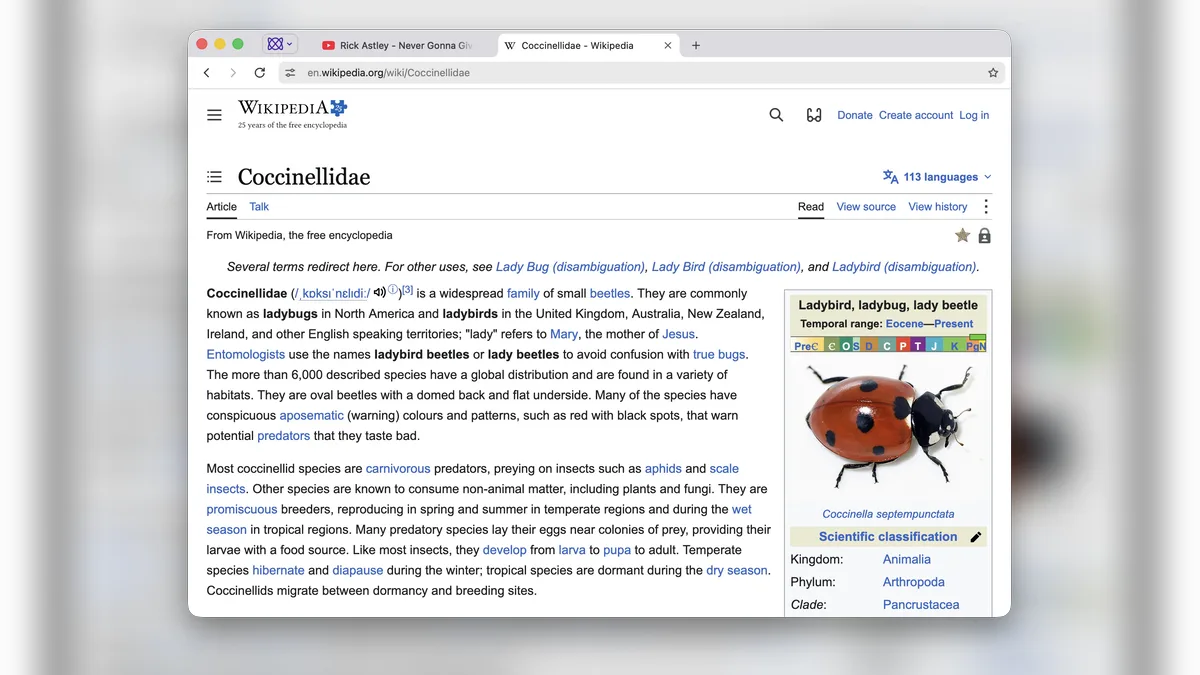
The Ladybird project released the first alpha of its browser on November 23, 2026. People on macOS and Linux can now install it without building it from source. According to Simon Willison, Ladybird has its own implementations of HTML parsing, a CSS engine, layout, JavaScript and WebAssembly.
Willison tried the alpha and says it feels fast, with most of the sites he opened loading properly. His video compressor, which runs ffmpeg compiled to WebAssembly, worked, and so did his Pyodide REPL. Datasette Lite failed with a service worker error. Willison filed an issue and then found a FIXME note in the source code.
Coding agents and test scores
The project has leaned on coding agents this year. In a February 23, 2026 post, Andreas Kling described porting parts of the LibJS engine from C++ to Rust with Claude Code and Codex. That work produced 25,000 lines of Rust in two weeks. According to the project's October 2026 update, Ladybird gained 75,650 new passes on the web-platform-tests suite of about 2.25 million subtests. The update says this beats Safari, and that AI coding agents pointed at the tests drove most of it within five days.
Not ready for sensitive accounts
Kling says some sites will not work and the browser will sometimes crash. The project makes no security promises and asks security researchers to try to hack it. Willison says he will not use Ladybird to sign in to GitHub, Gmail or his other sensitive accounts, but will keep it for anonymous browsing.